




Swati Popuri explores the LINDDUN framework addressing seven privacy threat categories, detection risks from metadata tracking, and unawareness violations when cross-contextual advertising tracks behavior without transparent disclosure.
Security teams focus on preventing unauthorized access to all organizational assets while privacy threat modeling protects personal data from the data subject's perspective - addressing harms beyond breaches. Twitter collected phone numbers for two-factor authentication but secretly replicated contacts to analytics platforms feeding ad targeting services, resulting in FTC penalties for deceptive practices users never consented to. Traditional security logs every action for non-repudiation, yet domestic violence victims require anonymity, creating tensions between security audit trails and privacy protection.
Effective privacy threat modeling addresses internal misuse and unintended harms, not just external attacks.
This session, led by Swati Popuri, data privacy architect at Allegis Group, will explore:
- LINDDUN framework addressing seven threat categories;
- Detection risks where metadata and behavioral tracking reveal individual involvement despite lacking explicit personal identifiers;
- Unawareness violations when cross-contextual advertising tracks browsing behavior across platforms without opt-out controls or transparent disclosure.
Here is the course outline:
Privacy Threat Modeling Versus Security Threat Modeling |
Completion
The following certificates are awarded when the course is completed:
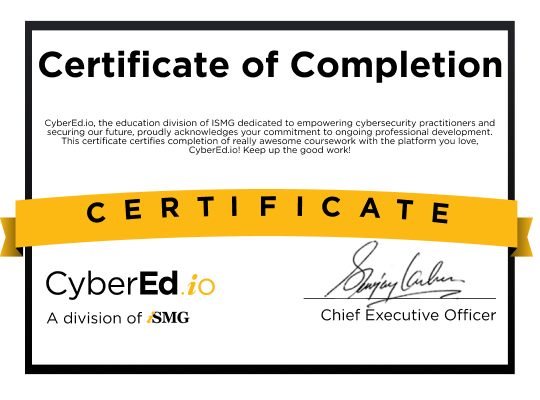 |
CPE Credit Certificate |