




Lessons from a Unified Security Framework
Course
Utkarsh Sawant of Diageo explains how a unified OT security framework can reduce compliance complexity, improve consistency across sites and strengthen operational resilience.
Operational technology environments operate under growing regulatory pressure as organizations contend with overlapping global standards, sector-specific requirements and regional mandates. While these frameworks aim to strengthen security, they often create fragmented compliance efforts that increase audit burden, strain site teams and distract from operational resilience. For OT leaders, the challenge is not a lack of controls but the complexity of managing them consistently across plants, geographies and industries.
Utkarsh Sawant, a cybersecurity leader with two decades of IT and OT experience, outlines how organizations can simplify compliance by adopting a unified OT security framework. He explains how common control mapping, centralized governance and leadership alignment help reduce duplication while strengthening security outcomes.
This session will also cover:
- Why fragmented OT compliance efforts increase operational friction and audit fatigue;
- How mapping shared controls across standards improves consistency and efficiency;
- What governance and rollout steps help embed a unified framework across sites.
Here is the course outline:
Unified OT Compliance: Lessons Learned From Establishing a Single Security Framework |
Completion
The following certificates are awarded when the course is completed:
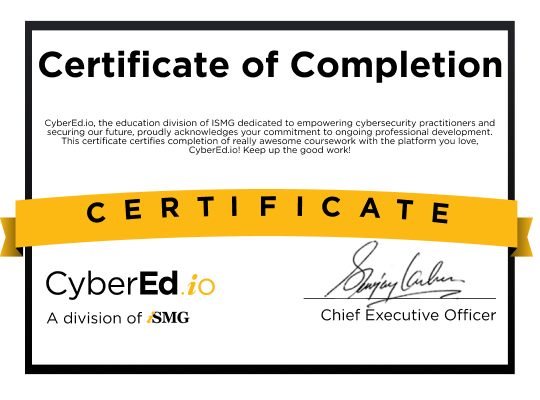 |
CPE Credit Certificate |
