




Patrick Ghion of the Regional Cyber Competence Centre, Western Switzerland, explores how brain-computer interfaces create new opportunities and cybersecurity risks for law enforcement, neural data, cognitive privacy and future human autonomy.
Brain-computer interfaces are moving from experimental concepts into real-world medical, consumer and law enforcement contexts, creating new questions around neural data, cognitive privacy and cybersecurity. As invasive, semi-invasive and non-invasive systems evolve, they introduce opportunities for accessibility and investigation, but also risks tied to unauthorized access, manipulation and misuse.
This session, led by Patrick Ghion, head of Regional Cyber Competence Centre at Western Switzerland, will cover:
- How brain-computer interfaces measure, decode and influence neural signals through invasive, semi-invasive and non-invasive systems;
- How neurosecurity risks could affect law enforcement, evidence collection, mental privacy and cognitive liberty;
- How legal safeguards, ethical frameworks and international standards can help protect trust, autonomy and fundamental rights.
Here is the course outline:
Brain-Computer Interface: Opportunities and Risks in Cybersecurity |
Completion
The following certificates are awarded when the course is completed:
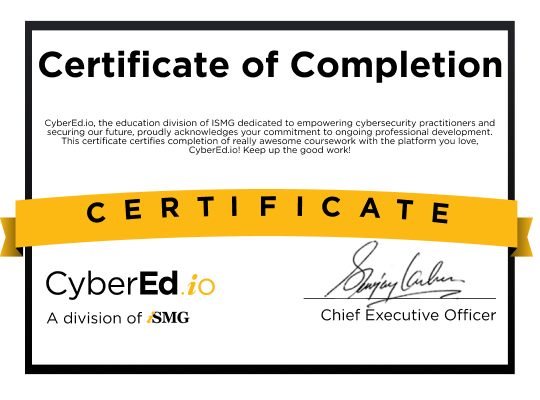 |
CPE Credit Certificate |